Staircase Terminology Explained (A Simple Guide for Beginners)
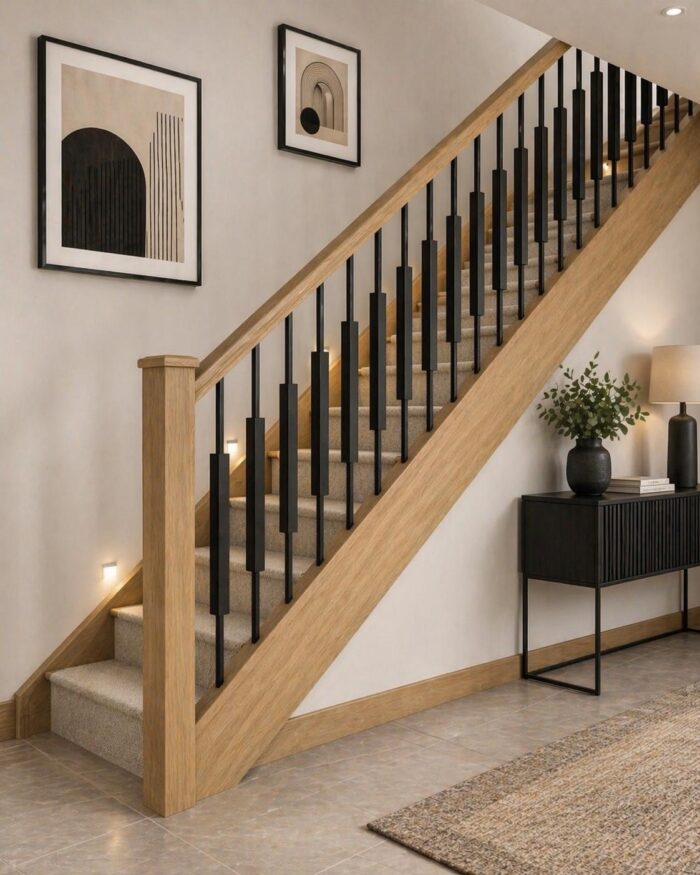
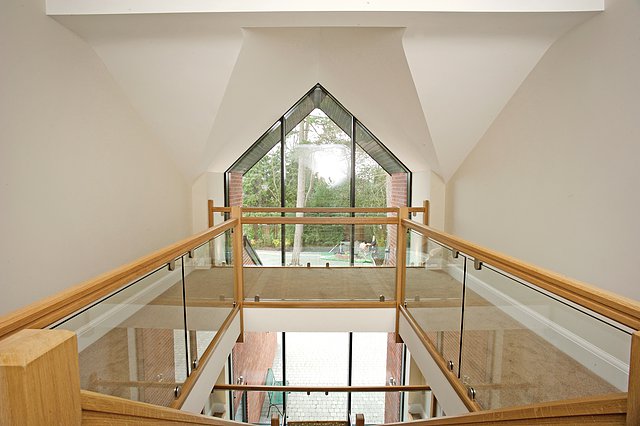
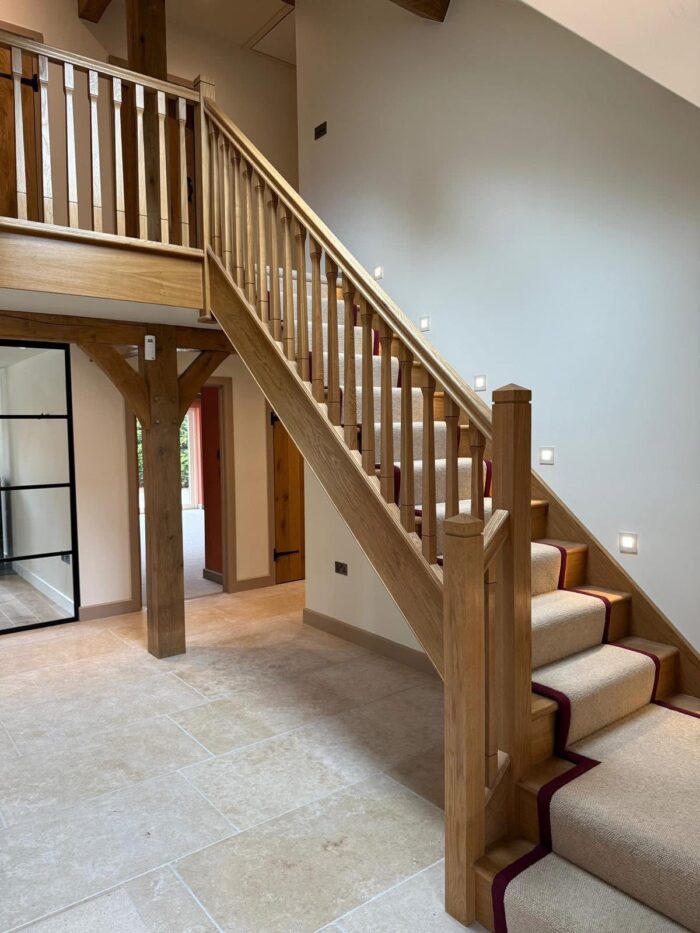
If you’re planning a staircase refurbishment, understanding the basic staircase terminology makes everything far easier and helps you feel more confident when choosing the right parts for your project. This simple guide breaks down the key components of a staircase in a clear and easy way, so you know exactly what you’re looking at, how each part works together, and what you need to create a staircase that suits both your style and space.
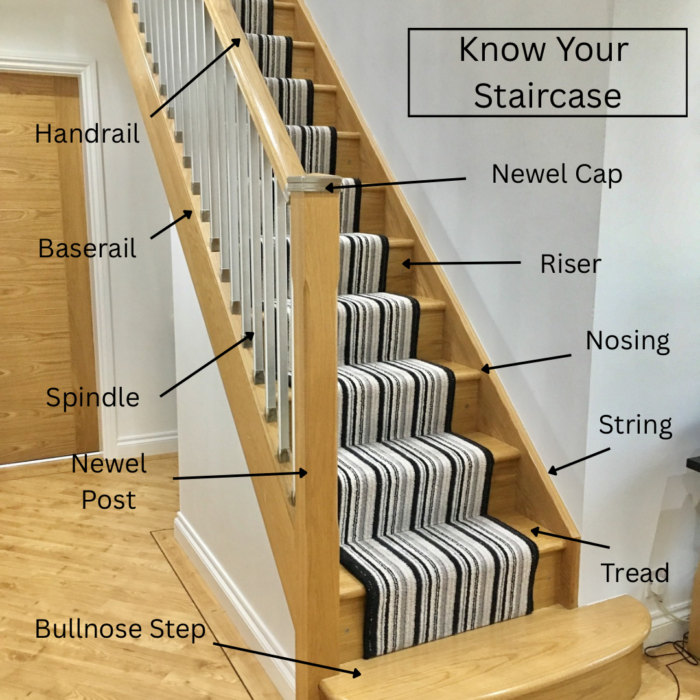
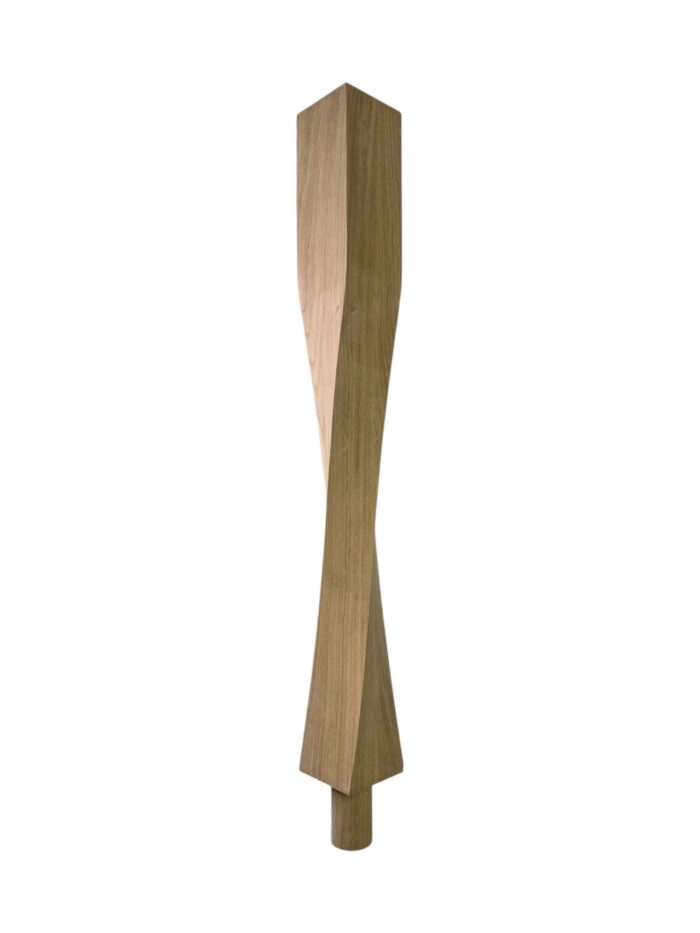
Newel Post
The newel post is the main structural post on your staircase. It’s usually found at the bottom, top, and any turns or landings.
It provides support for the handrail and helps keep the staircase stable.
Newel posts come in a variety of styles, from traditional turned designs to modern square options.
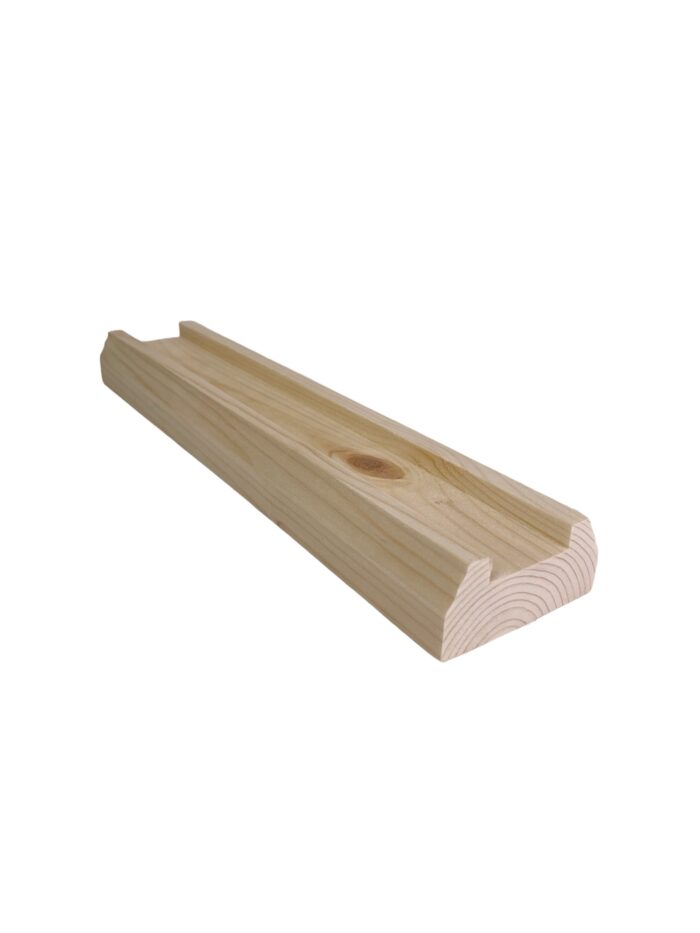
Baserail
The baserail runs along the bottom of the staircase, sitting on top of the treads or landing.
It holds the spindles (or glass panels) in place and mirrors the handrail above.
Baserails are available in different designs, with different groove sizes depending on whether you’re using timber spindles, metal spindles, or glass.
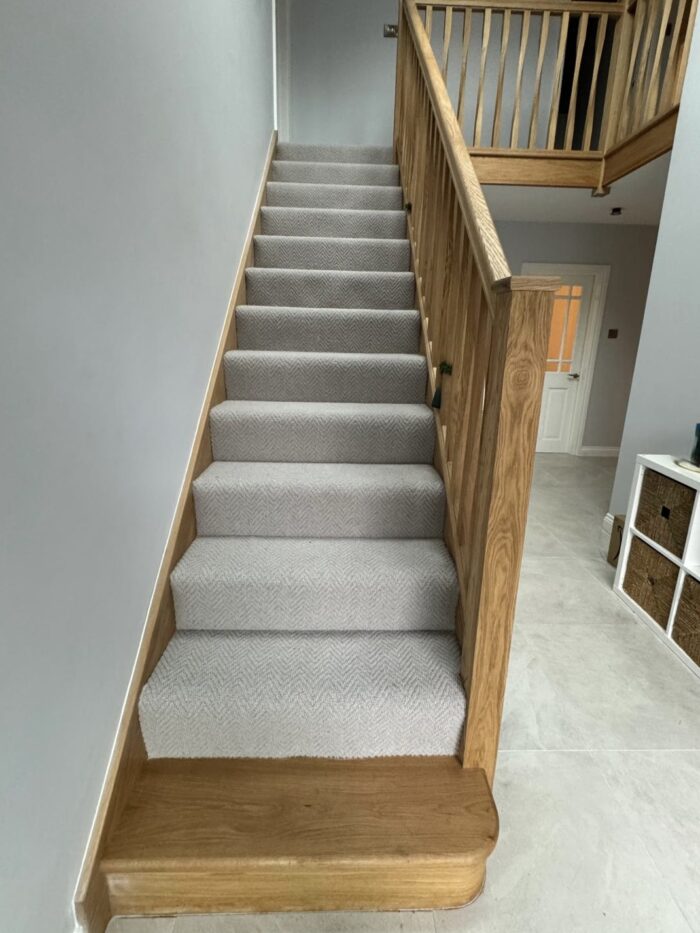
Tread
The tread is the flat part of the step that you walk on.
It’s one of the most important parts of your staircase for both safety and appearance.
Treads can be fully replaced or refurbished with cladding to give your staircase a fresh new look. They can also be painted, varnished, partially or fully carpeted.
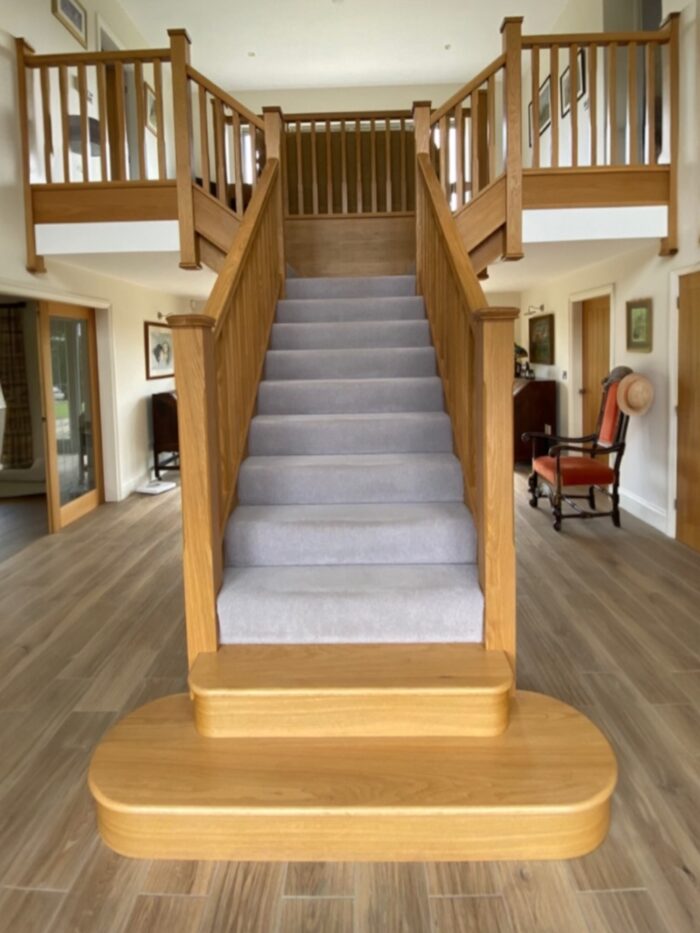
Bullnose Tread
A bullnose tread is typically the first step at the bottom of the staircase.
It has a rounded edge on one or both sides, creating a more open and feature look.
This is often used to make the base of the staircase feel more inviting and less boxed in.
Rake vs Landing
Rake: The angled section of the staircase that goes up or down
Landing: The flat platform between flights of stairs or at the top
This distinction is important when ordering stair parts, as sizes and angles can differ between rake and landing sections.
Spindles (Balusters)
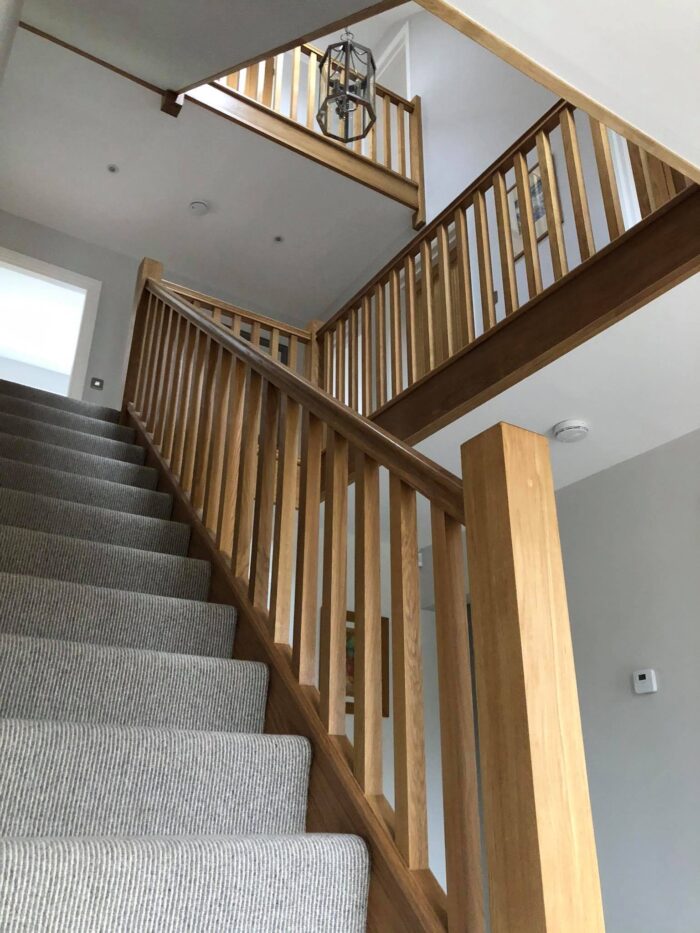
Spindles, also known as balusters, are the vertical bars that sit between the handrail and baserail.
They provide safety by preventing falls and also play a big part in the overall design.
You can choose from timber or metal spindles in a wide range of styles.
Handrail
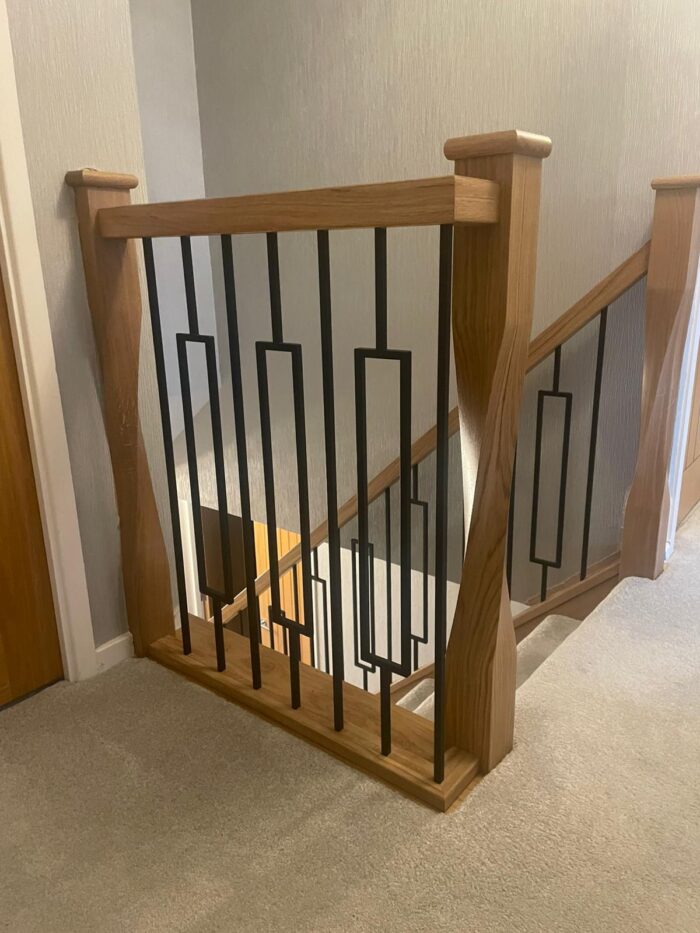
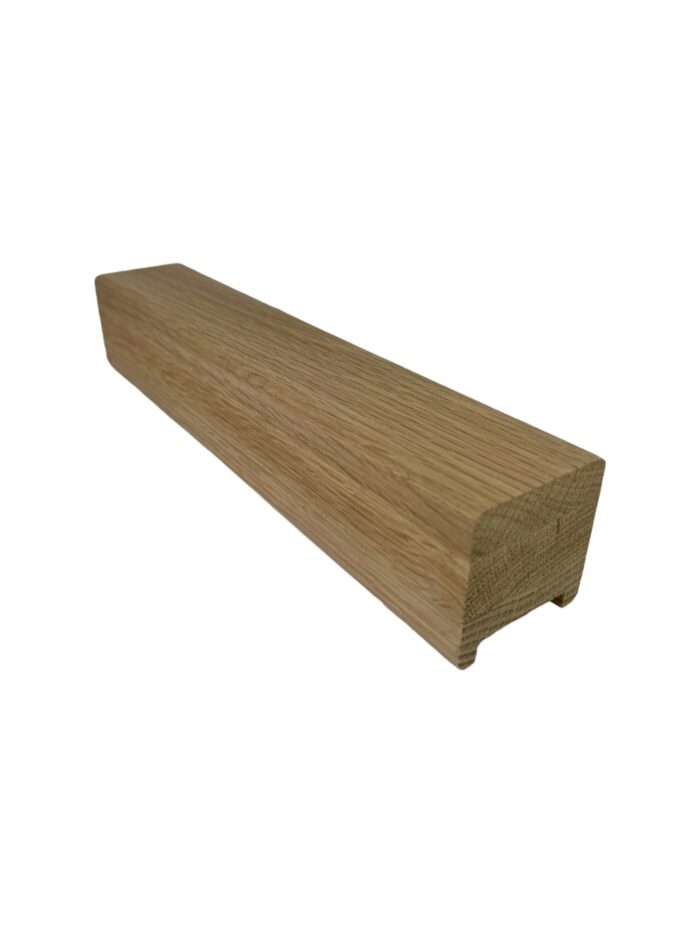
The handrail is the top rail that you hold onto when using the stairs.
It runs parallel to the staircase and is supported by the newel posts and spindles.
Handrails come in different profiles such as traditional, square, and modern styles to suit your design.
Newel Cap
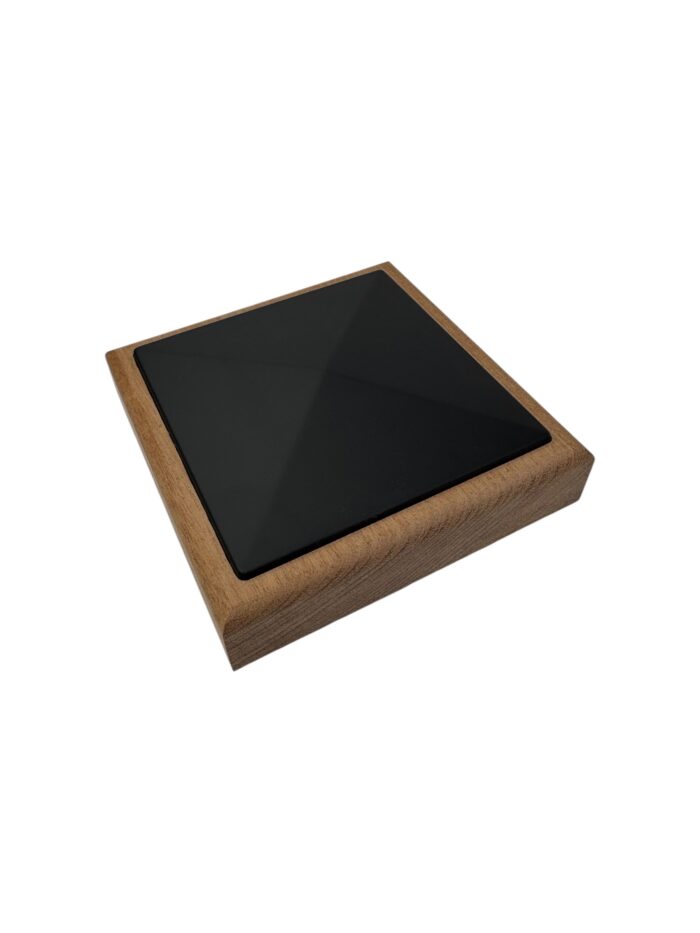
The newel cap sits on top of the newel post.
It’s a decorative finishing touch that can completely change the look of your staircase, from traditional timber designs to modern metal styles.
Riser
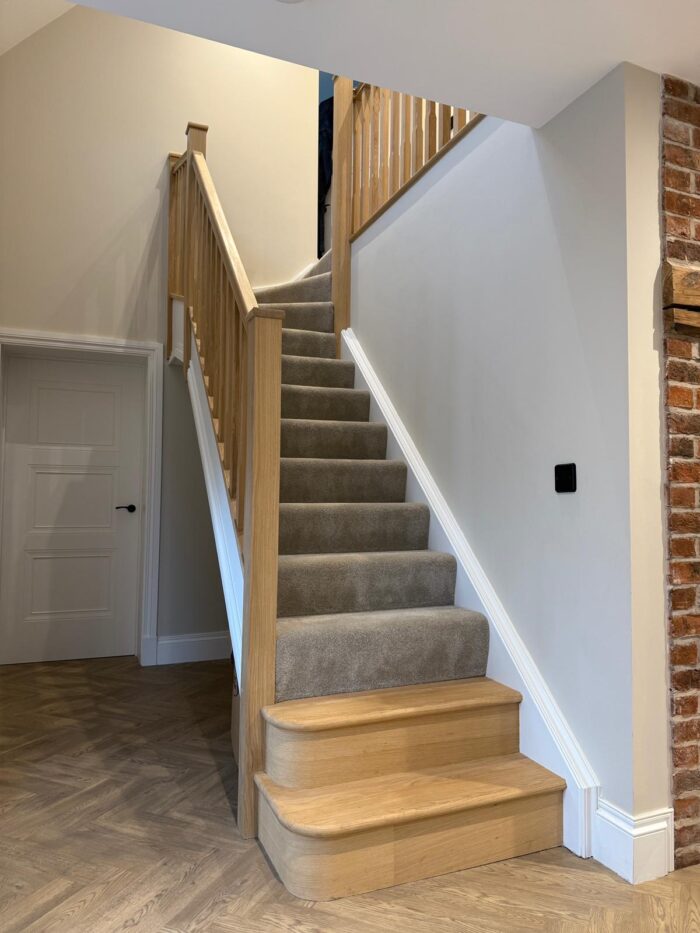
The riser is the vertical section between each tread.
Some staircases have closed risers, while others are open for a more modern look.
Nosing
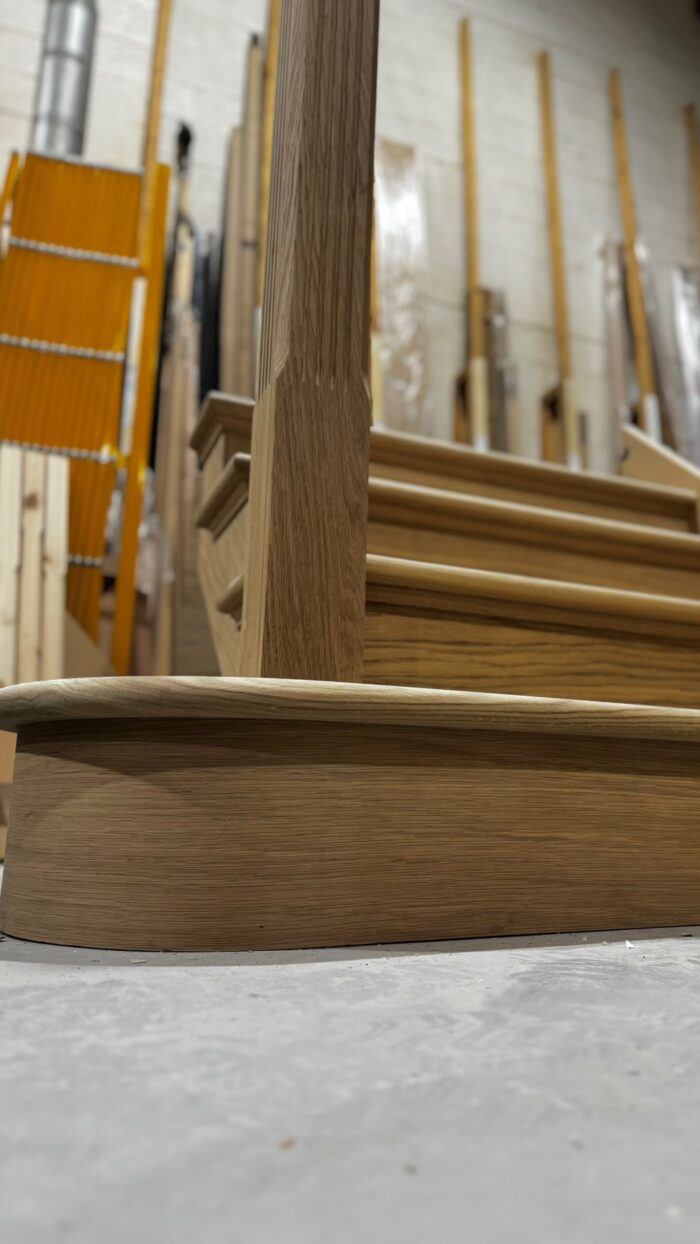
The nosing is the front edge of the tread that slightly overhangs the riser below.
It improves safety by providing extra foot space and grip.
String (Stringer)
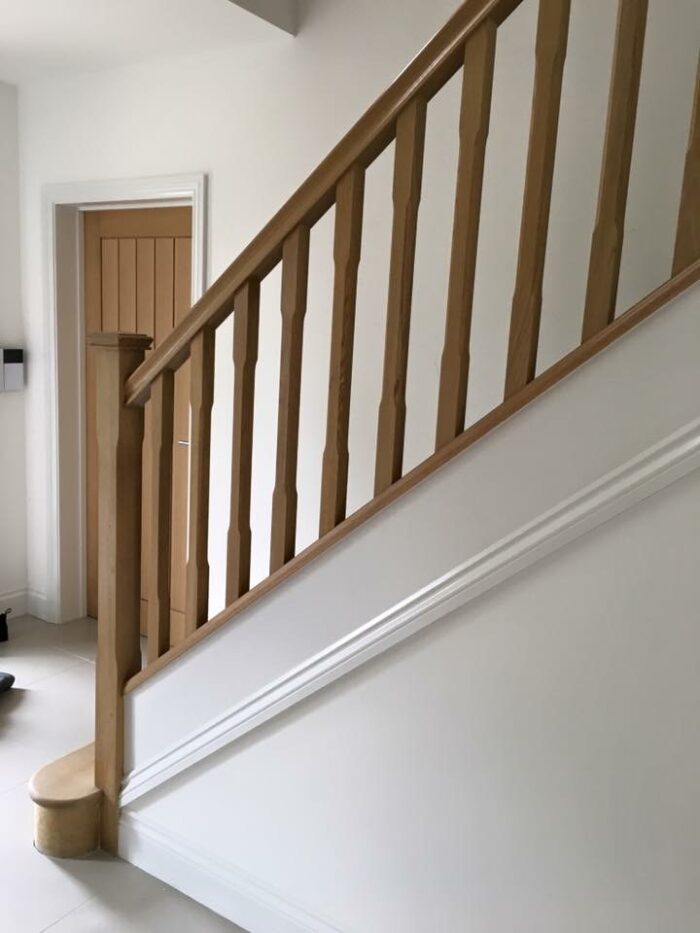
The string is the structural side of the staircase that supports the treads and risers.
There are two main types:
Closed string – treads are housed within the string for a cleaner look
Cut string – treads are visible from the side
Final Thoughts
Understanding staircase terminology is the first step to planning a successful refurbishment. Once you know the basics, it becomes much easier to choose the right parts and create a staircase that suits your style and space.
If you’re unsure which parts you need, it’s always worth starting with a clear plan of your staircase layout and design.